The Right Person. The Right Floor. The Right Access.
In a high-rise building, the elevator is the primary means of vertical movement. Controlling who can access which floors is therefore an important part of building security.
LiftXS is an elevator access-control system that ensures authorised users can access only the floors they are permitted to reach.
But access control is not one-size-fits-all.
Define your access requirement first. Then choose the right LiftXS configuration.
THREE WAYS TO CONTROL ELEVATOR ACCESS
Different buildings have different security requirements. LiftXS can be configured around three fundamental access-control approaches.
CAR PANEL ACCESS
Flow:
Authorize → Access the Car Operating Panel → Select Any Floor
Function:
An authorised person can operate the complete car operating panel and select any floor.
Suitable when:
Access to the elevator itself needs to be restricted, but users do not require individual floor-level restrictions.
FLOOR-LEVEL ACCESS
Flow:
Authorize → Select Only Permitted Floors
Function:
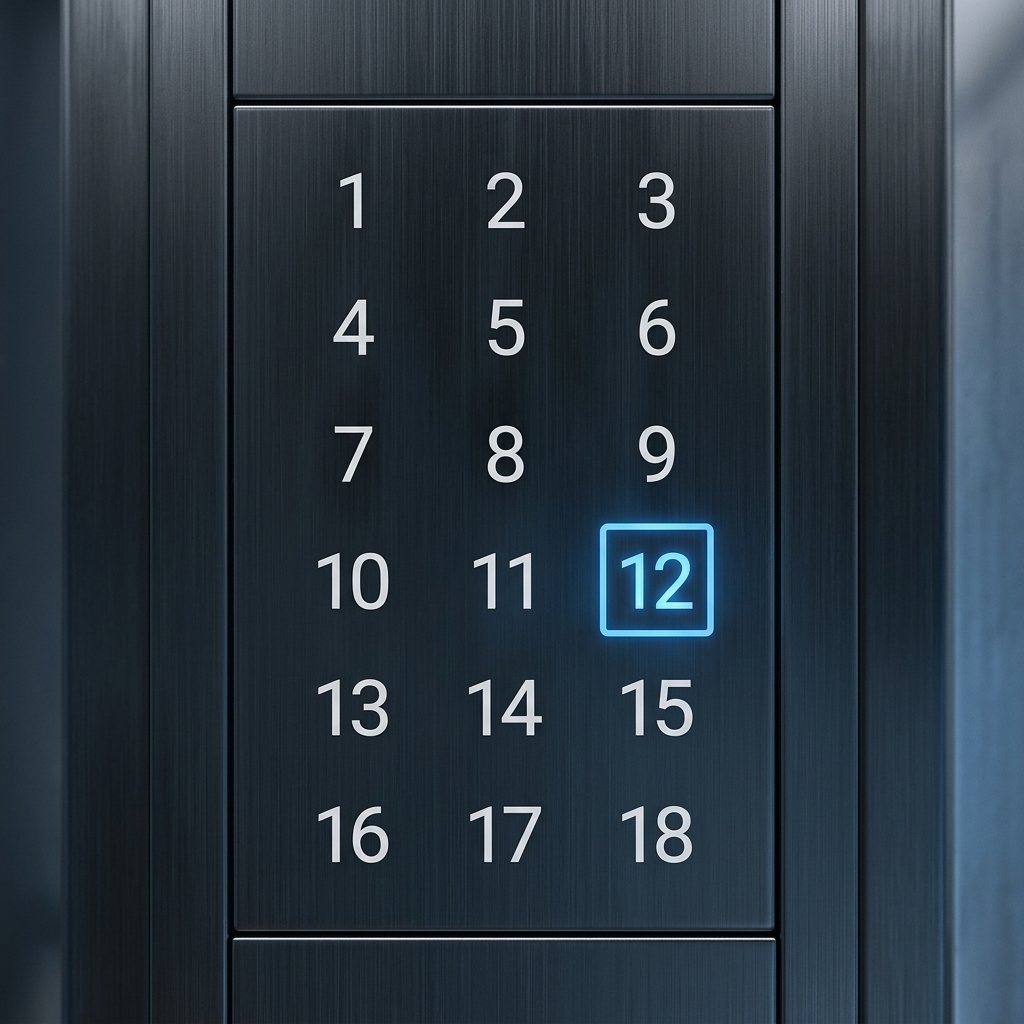
Each authorised user is assigned specific floors. The system allows access only to the floors approved for that user.
Suitable when:
Different residents, employees or users need access to different floors.
Right person. Right floors. Nothing more.
LANDING ACCESS
Flow:
Authorise → Call the Elevator
Function:
Authorisation is required at the landing before the elevator can be called to a particular floor.
Suitable when:
Access to specific floors needs to be controlled before the passenger enters the elevator.
CHOOSE HOW YOU AUTHORIZE
LiftXS can support different authorization methods depending on the application.
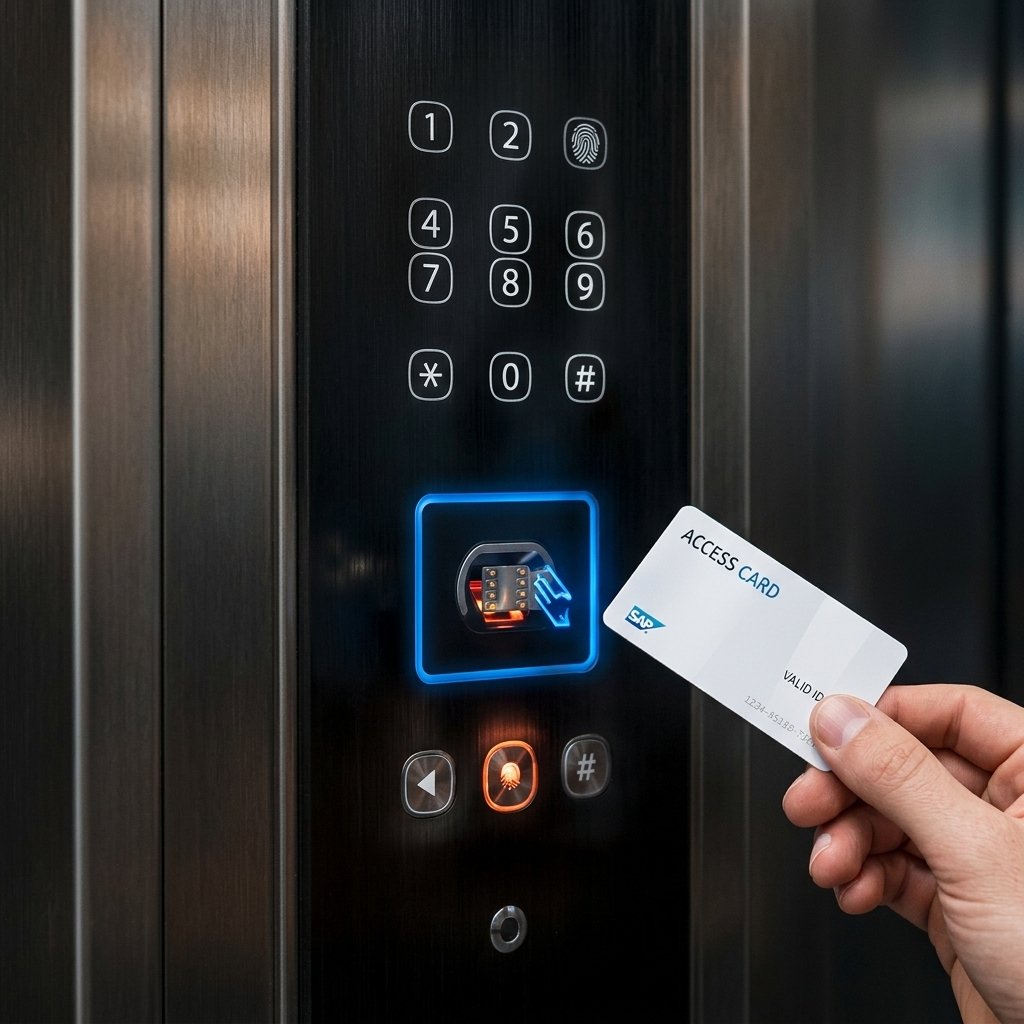
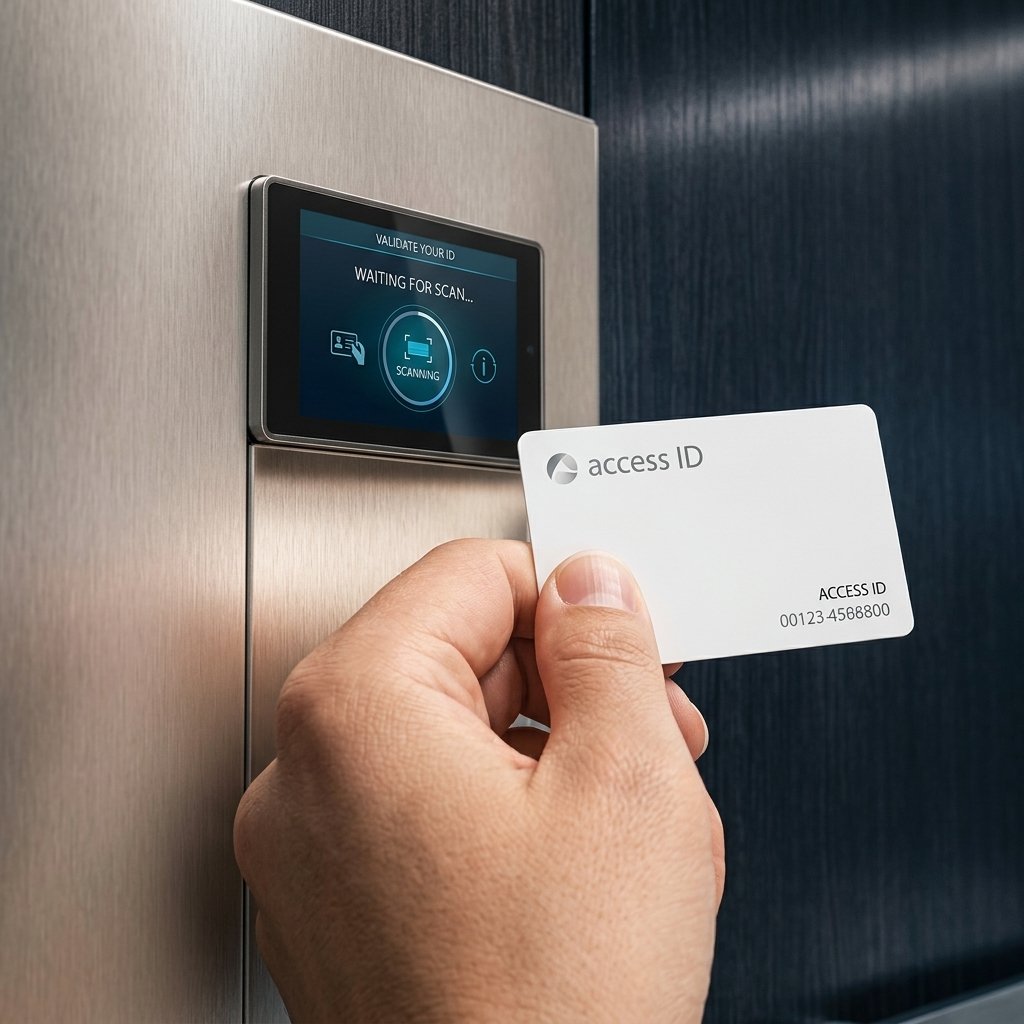
Smart Card
A practical choice for buildings with multiple users, visitors and changing access requirements. Cards can be assigned, temporarily issued, withdrawn and reconfigured as requirements change.
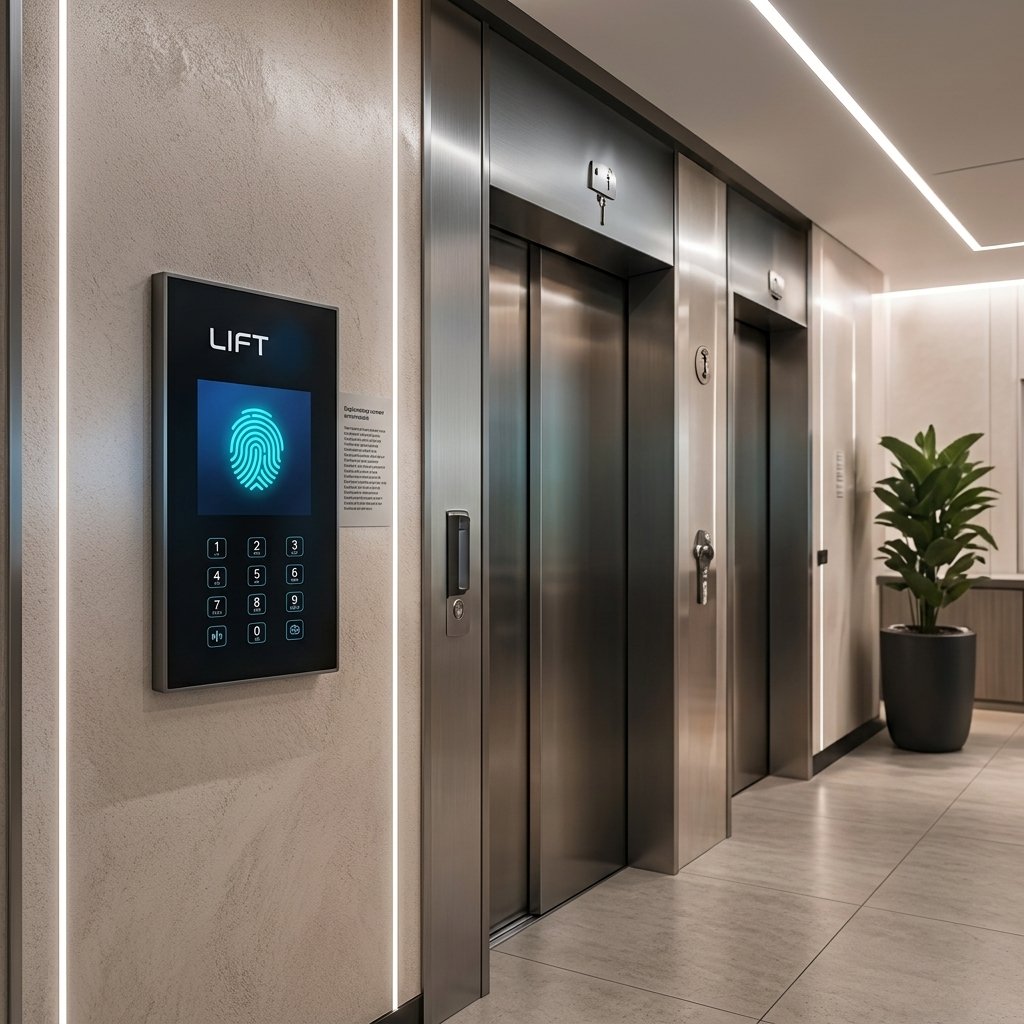
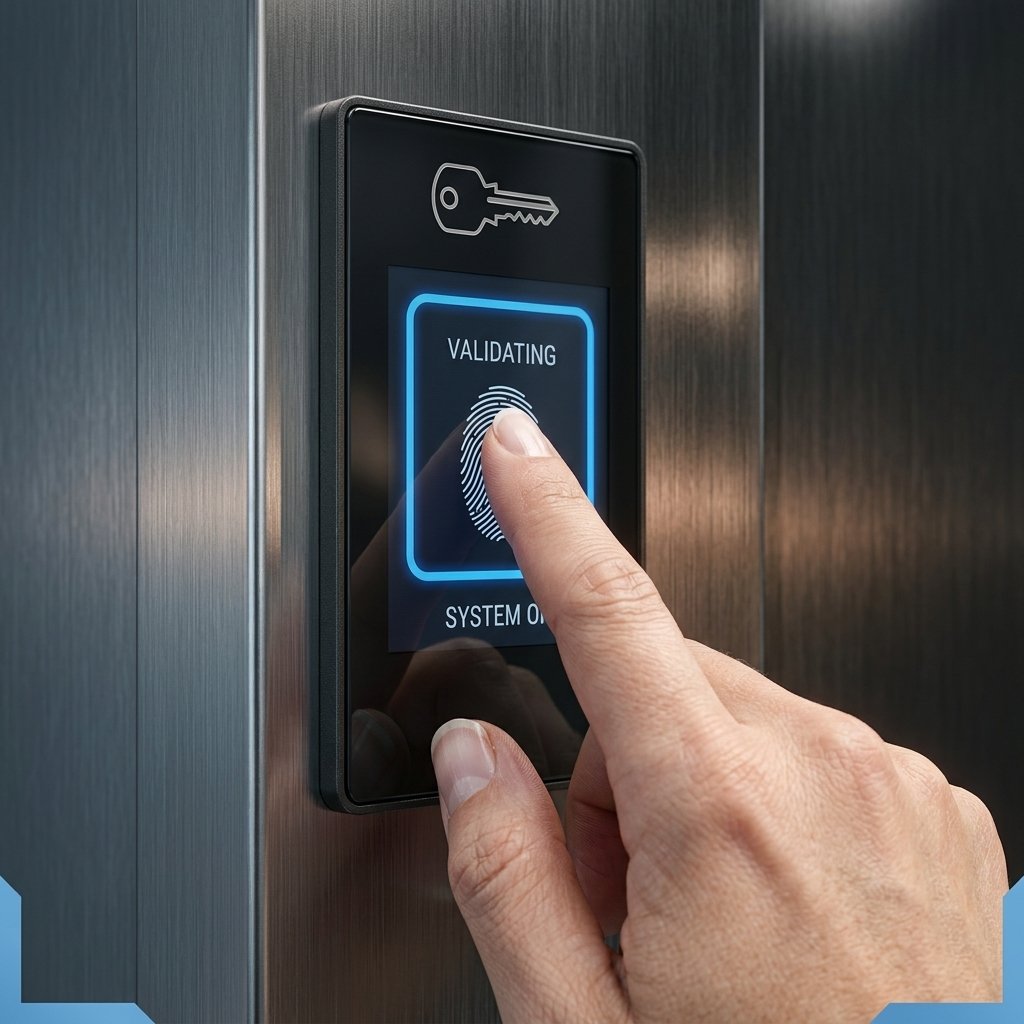
Fingerprint
Convenient for users who require frequent access and where the user population is relatively stable. However, every authorized fingerprint needs to be enrolled, making the process less convenient for visitors.
Face Recognition
Provides convenient, contactless identification and can be suitable for controlled user populations.
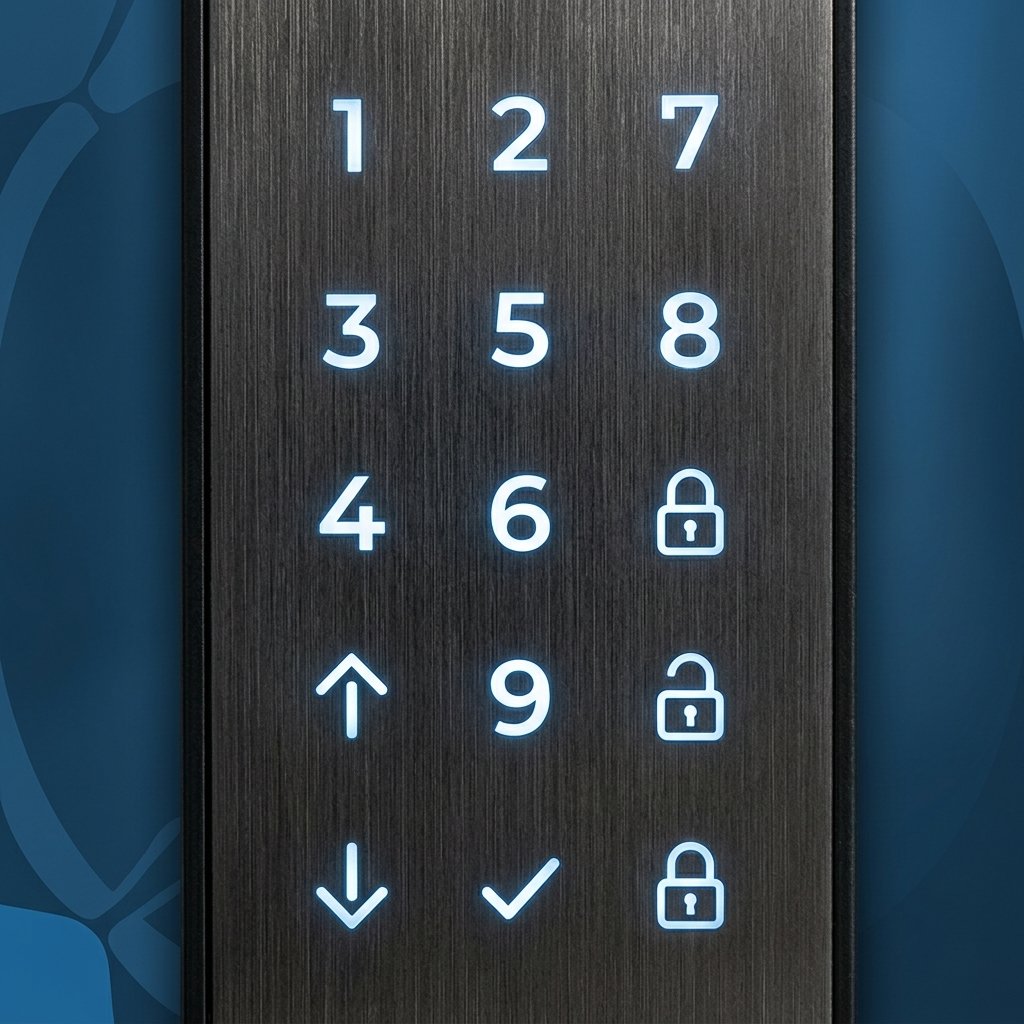
Password / PIN
Simple to implement, but security depends on how well passwords are protected and managed. Shared or visible PINs can reduce security.
The Best Access Method Depends on the Building.
THINK BEYOND THE READER
A small residential or bungalow-style building with a stable group of users may find fingerprint or face recognition convenient.
A commercial or residential high-rise with visitors, tenants, staff and frequently changing access requirements may benefit from the flexibility of smart-card-based access.
The technology should follow the requirement—not the other way around.
Give Access- Chong. Accoss. Romovo Access-
SMART CARD — FLEXIBILITY WHEN ACCESS CHANGES
A card can be:
• Assigned to an individual • Programmed for specific floors • Temporarily issued to visitors • Revoked when no longer required • Reassigned • Updated when access requirements change
This makes smart cards a practical choice for buildings with visitors, staff, tenants and multiple access levels.
WHY LIFTXS?
Purpose-Based
Choose the access-control architecture based on your actual security requirement.
Flexible Authorization
Support different methods of user authentication.Allow users to access only the floors they are authorized to reach.
Floor-Level Control
Floor-Level Control
Visitor-Friendly Options
Choose an authorization method that works with temporary and changing users.
Scalable
Suitable for different building sizes and access-control requirements.
Elevator-Specific
Designed around the unique requirements of elevator access control.
THE LIFTXS APPROACH
Don’t Over-Control. Don’t Under-Control. Control Smartly.
The right access-control solution balances security, convenience, cost and ease of administration.
Whether you need simple elevator authorisation or detailed floor-by-floor access management, Elevatech helps you identify the right LiftXS configuration and authorisation method for your building.
Understand your needs. Choose wisely. Control confidently.